
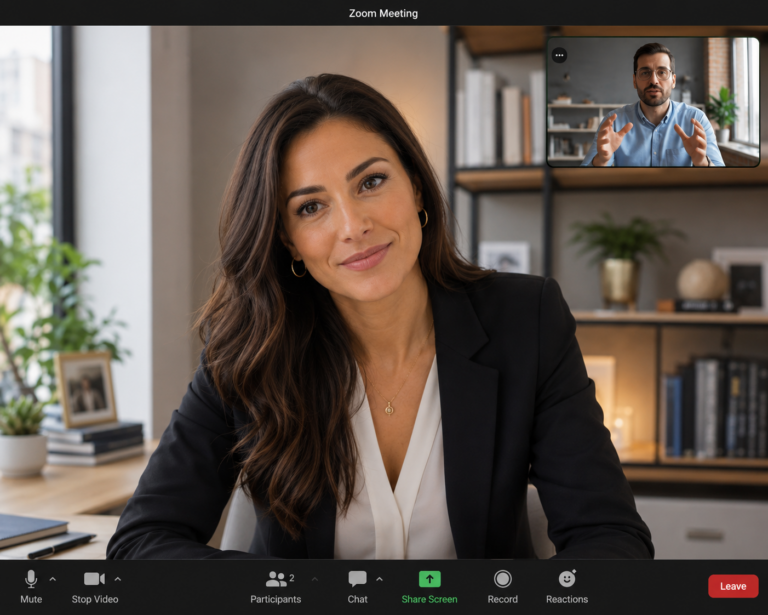
Maybe you have had a prospect who nodded along to your pitch, said all the right things, and then went quiet for weeks. What happened in that room might not have been a talking problem but a listening gap. Closing that gap is exactly what listening skills for sales are designed to do.
This guide walks you through what strong sales listening actually looks like in a real conversation, why the habit matters and the twelve specific practices you can start using on your very next call. Concrete, practical techniques you can use tomorrow morning with a prospect.
Most sales reps spend years polishing a pitch before anyone ever tells them that the pitch was never the deciding factor. The deciding factor sits on the other side of the conversation, in the questions a prospect asks back, the hesitation in their voice, and the small details they mention once they feel comfortable enough to be honest. Once you start treating every call as a listening exercise first and a selling exercise second, the entire rhythm of your pipeline starts to change.
When most sales training programs talk about listening, they mean nodding your head and waiting for your turn to talk. That is not listening. Real listening skills for sales require you to process what a prospect says, notice what they are avoiding saying, and respond in a way that proves you understood both.
Think about the last time a friend told you about a hard week at work. You probably were not planning your next sentence while they talked. You were absorbing the details, reading their tone, and preparing a response that matched their emotional state. That same discipline, applied to a sales call, changes the entire trajectory of your conversation. Buyers can tell within the first two minutes whether you are there to understand their situation or just to get through your script.
This distinction matters because most buyers have already built up a mental filter for sales calls. They expect a rep to talk at them, cover a set list of features, and steer the conversation toward a close regardless of what the buyer actually needs. When you break that pattern by asking real questions and pausing to absorb real answers, you stand out simply by behaving differently than every other rep who called that week. The gap between an average rep and a top performer often comes down to this single behavioral shift rather than any difference in product knowledge.
Sales training has spent decades obsessing over pitch delivery, objection scripts, and closing lines. Meanwhile, the actual research on buyer behavior tells a different story. According to Harvard Business Review, buyers consistently rank sales reps higher when those reps ask thoughtful questions and demonstrate genuine understanding of their business challenges, rather than reps who deliver a polished pitch.
Your prospects have sat through hundreds of sales calls before yours. They can spot a canned pitch within seconds, and they have built up a defense against that pitch style. What they have not built a defense against is a rep who genuinely listens, asks a question that makes them pause, and reflects their own words back in a way that shows real comprehension. That moment is where trust starts, and trust is what turns a cold prospect into a signed contract.
There is also a practical business reason to prioritize listening over talking. Every objection a prospect raises is information. Every hesitation in their voice is a data point. If you are busy planning your rebuttal instead of absorbing that information, you miss the details that would have told you exactly how to close the deal. Listening skills for sales are a direct driver of your close rate and your average deal size, and the difference shows up clearly once you start tracking those numbers deal by deal.
Below are twelve specific skills that separate top performing sales reps from the rest of the pack. Each one is a habit you can practice on your very next call, not a theory you need years to master.
Before you respond to anything a prospect says, count to three in your head before speaking. This pause forces you to fully process their words instead of jumping straight into your rehearsed response. A short pause also signals to the prospect that their words carried weight, which builds trust faster than any scripted line ever could.
While there are times to ask closed questions that get you a yes or no answer and end the conversation, also implement open-ended questions. Questions like “What does a successful outcome look like for your team this quarter?” invite the prospect to share the details you actually need. This single habit uncovers more useful information than any other technique on this list.
Developing listening skills for sales includes asking follow up questions. When your prospects answer your questions, follow up with relevant questions to dig deeper. If you are using a script, you can ask the next scripted question after you have investigated your prospects’ answers.
After a prospect explains their situation, summarize what you heard in your own words before moving forward. A simple line like “So the main challenge is getting your team onboarded without disrupting your current workflow” proves you were tracking the conversation and gives the prospect a chance to correct any misunderstanding before you waste time solving the wrong problem.
When you rephrase what a client has said to you, ask them if you have the right interpretation.
Words only tell part of the story. A prospect who says “that sounds fine” in a flat, rushed tone is telling you something very different than one who says the same words with genuine enthusiasm. Train yourself to notice pace changes, hesitations, and shifts in energy throughout the call, because those shifts often reveal concerns the prospect has not put into words yet.
When a prospect shares a budget concern or mentions a competitor, resist the urge to immediately defend your product or dismiss their concern. Let the full thought land first. Judging too quickly shuts down the flow of honest information and teaches the prospect to filter what they tell you going forward.
Writing down key details during a call helps you remember specifics later, but staring at your notes the entire time breaks the human connection the prospect needs to feel. Jot down short phrases and key numbers, then look back up quickly so the prospect still feels your full attention.
Listening skills for sales includes ‘reading between the lines.’ Some of the most important information in a sales call never gets said out loud. A prospect who keeps circling back to implementation timing without directly saying “I am worried about disruption” is handing you a clue. This kind of attentive listening includes the ability to notice these patterns and gently surface the underlying concern with a direct question, such as asking what a rocky rollout has looked like for their team in the past.
When a prospect describes a frustration, whether with their current vendor or an internal process, acknowledge the difficulty of that situation before pivoting to your solution. A short line such as “That sounds like a frustrating way to spend your Monday mornings” shows genuine understanding and buys you credibility for the rest of the conversation.
Confirming and in some cases relating to your prospect’s emotions and experiences builds prospect trust.
Asking three questions in a row without pausing for an answer overwhelms the prospect and usually results in a shallow response to only the last question asked. Ask one question, wait for a complete answer, and let that answer guide your next question naturally.
Many sales reps rush to fill any quiet moment on a call, which often cuts off a prospect who was still forming their thought. Practice sitting comfortably in silence for a few extra seconds after asking a question. That extra space frequently produces the most valuable and honest answer of the entire conversation.
Prospects often use specific words to describe their goals or pain points, such as “streamlined” or “scalable.” Repeating those same words back later in the conversation, rather than substituting your own vocabulary, reinforces that you heard their priorities in their own terms and did not just translate them into generic sales language.
This discipline does not end when the call does. Spend two minutes after every conversation writing down what you heard, what surprised you, and what you might have missed. This habit sharpens your listening skills for sales over time far faster than simply moving on to the next call without reflection, and a short written record also gives you something concrete to review before your follow-up call.
Building these twelve habits does not require a separate training program or a big schedule change. You can weave a short practice routine into calls you are already making this week. Try running through this quick checklist before, during, and after your next three sales calls to build the muscle memory faster.
Running this short routine consistently for a few weeks tends to make these habits feel automatic rather than forced. Most sales professionals who commit to this practice report noticing objections earlier in the conversation and closing deals with fewer surprises at the contract stage.
You do not need a perfect call to benefit from this routine. Some of the most valuable growth happens on the calls that go poorly, because a rough conversation usually shows you exactly which habit slipped first. Maybe you jumped in too quickly after a pause, or maybe you asked three questions back to back without giving the prospect room to answer any of them fully. Reviewing those moments honestly, without judging yourself too harshly, builds the kind of self-awareness that turns a decent sales rep into a genuinely trusted advisor.
Even experienced sales professionals fall into a few predictable traps that quietly damage their listening ability over time. The most common one is treating every pause as a cue to talk. Silence on a call is not dead air that needs filling. Silence is often the moment a prospect is deciding how honest to be with you, and jumping in too soon interrupts that process.
Another frequent mistake is planning your next sentence while the prospect is still speaking. This habit, sometimes called rehearsal listening, feels productive because you are staying ahead of the conversation, but that habit actually pulls your attention away from what the prospect is telling you right now. According to the American Management Association, professionals who practice active listening techniques consistently outperform their peers in negotiation outcomes, largely because they catch details their competitors miss.
A third mistake involves confusing agreement with understanding. Nodding along and saying “totally” throughout a call feels friendly, but a prospect can usually sense when that agreement is automatic rather than genuine. Reflective summarizing, discussed earlier in this guide, solves this problem directly by forcing you to demonstrate comprehension rather than just signal politeness.
A fourth mistake worth naming is treating every call the same way regardless of who is on the other end. A first-time prospect who has never spoken with your company needs a different listening approach than a returning customer who is renewing a contract. The first conversation calls for broader open-ended questions that map out their entire situation, while the second calls for closer attention to subtle changes in tone that might signal a shrinking budget or a new decision maker joining the process. Adjusting your listening approach to the stage of the relationship keeps you from missing context that a one-size-fits-all script would overlook entirely.
What are the most important listening skills for sales? The most important skills on this list include asking open-ended questions, pausing before responding, and reflecting the prospect’s own words back to confirm understanding. These three habits alone address the majority of missed opportunities in a typical sales call.
How long does improving listening skills for sales usually take? Most sales professionals notice a measurable difference within two to three weeks of consistent practice, particularly when they use a short pre-call and post-call routine like the one outlined earlier in this guide.
Can listening skills for sales really increase close rates? Yes. Prospects who feel genuinely heard are far more likely to share the real objections standing between them and a signed contract, which gives you the information you need to address those objections directly instead of guessing.
Do listening skills matter more in certain industries? Strong listening matters across every industry, though complex or high-consideration sales, such as enterprise software or financial services, tend to reward strong listeners most heavily because the buying decision usually involves more stakeholders and more unspoken concerns.
Can listening skills for sales be learned, or are some people just naturally better at listening? Listening is a trainable skill, not a fixed personality trait. Some people start with a natural advantage, but the twelve habits in this guide work regardless of your starting point, and consistent practice tends to close the gap between a natural listener and a trained one within a few months.
Listening skills for sales are not a soft add-on to your existing pitch. They are the foundation that makes every other part of your sales process work better, from qualifying a lead to negotiating final terms. The twelve habits covered in this guide, from the deliberate pause to post-call debriefing, give you a practical starting point you can apply on your very next call rather than a theory you have to wait months to test.
Pick one skill from this list and commit to practicing that single habit on your next five calls before adding another. Small, consistent practice builds a lasting change in how your prospects experience conversations with you, and that change shows up directly in your close rate.